

GeoDa
Spatial analysis, statistics, autocorrelation and regression
GeoDa provides a graphical environment for exploratory spatial data analysis, allowing users to examine and model spatial patterns in both aggregated and point‑level datasets. It supports a range of statistical tools such as spatial autocorrelation, local cluster detection, and basic spatial regression for polygon and point data, and integrates classic non‑spatial clustering methods including PCA, k‑means, hierarchical clustering, and HDBScan. The interface links maps, charts, and tables so that statistical results can be visualized directly on geographic layers, with multi‑layer support and basemap grounding for contextual reference.
The software is aimed at researchers, students, and analysts who need to explore spatial relationships without extensive programming, particularly in academic settings where it is used for teaching and introductory spatial data science. Its design emphasizes ease of use for datasets ranging from a few thousand to tens of thousands of records, with recommendations to aggregate larger data to areal units for performance.
GeoDa is free, open source, and runs on macOS, Windows, and Linux. The recent 1.22 release adds new local cluster options such as univariate and multivariate Geary maps, redcap, skater, spectral clustering, and local join count maps for categorical variables, expanding its capability to detect statistically significant spatial clusters and assess temporal changes across linked views.
Reviews
Loading reviews…
Similar apps
Databases & Data Tools
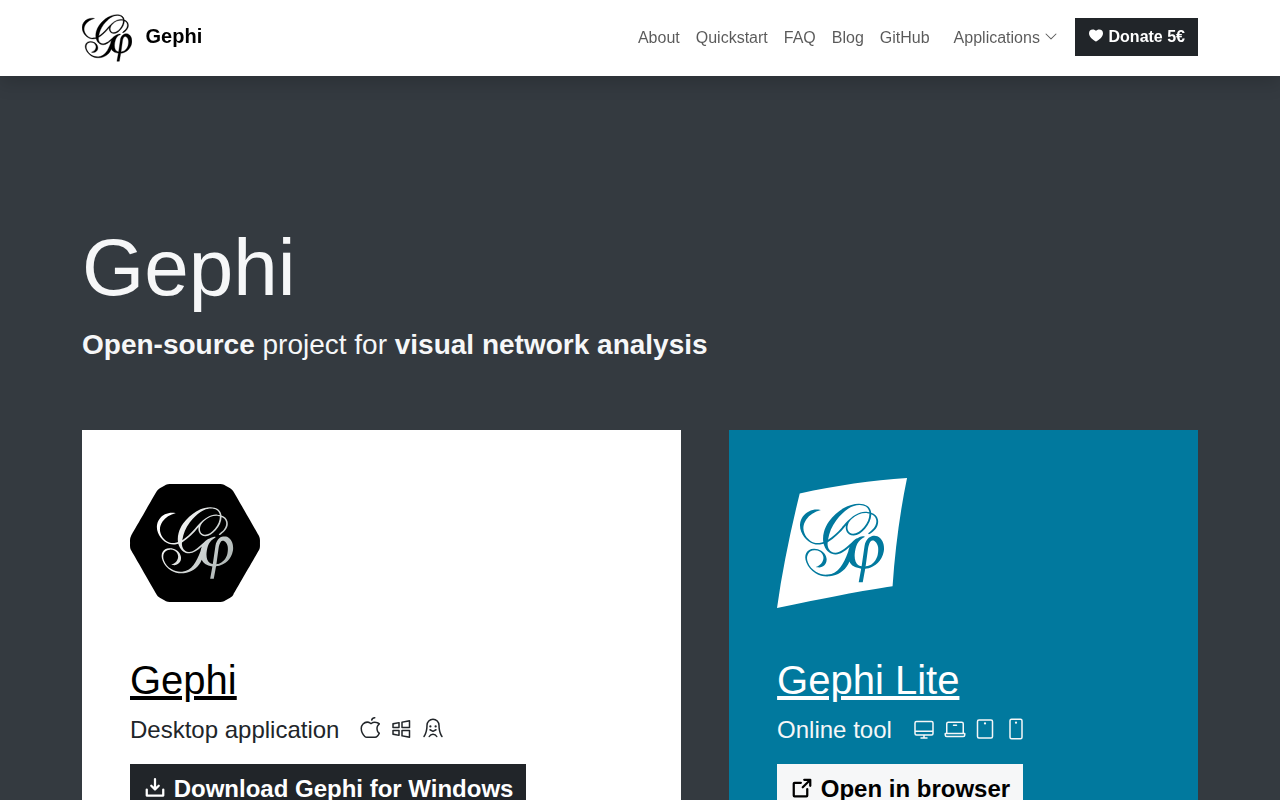
Gephi
Open-source platform for visualizing and manipulating large graphs
Databases & Data Tools
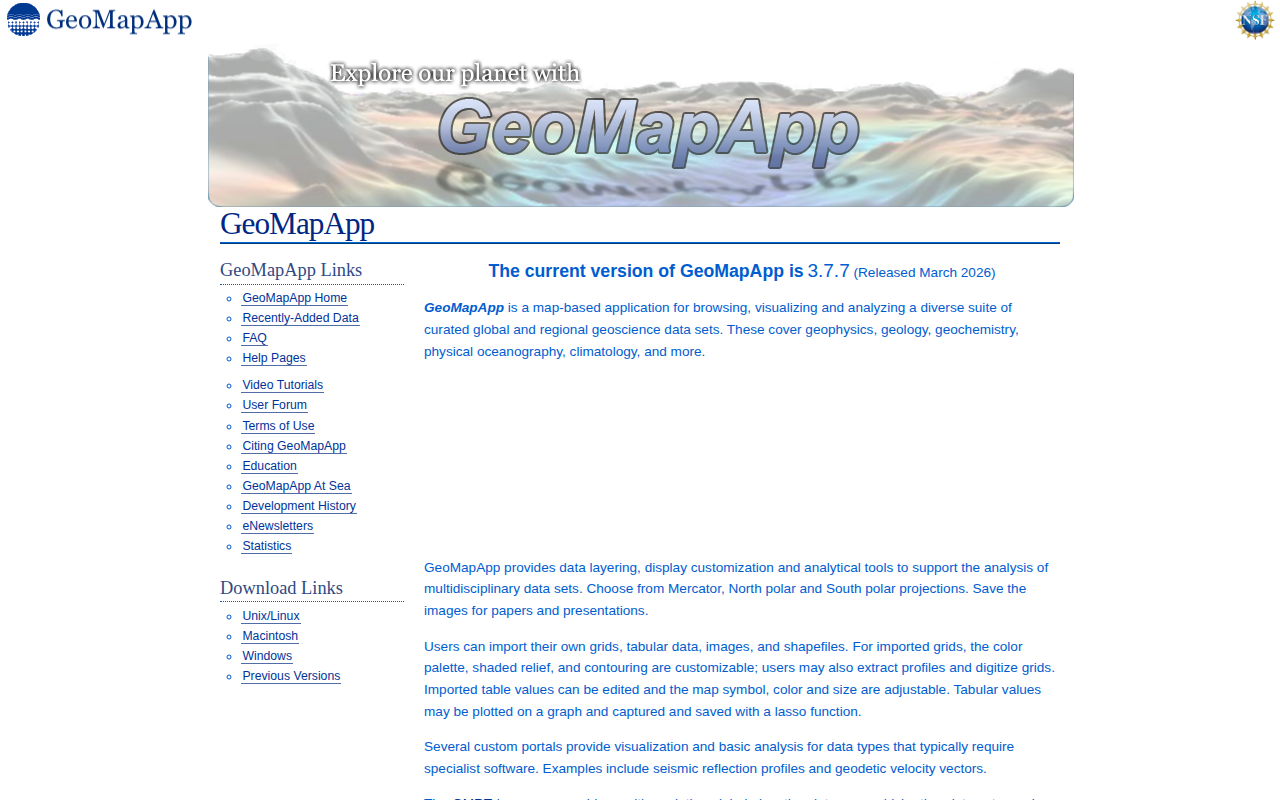
GeoMapApp
Browse, visualise and analyze geoscience data sets
Databases & Data Tools
gretl
Software package for econometric analysis
Databases & Data Tools
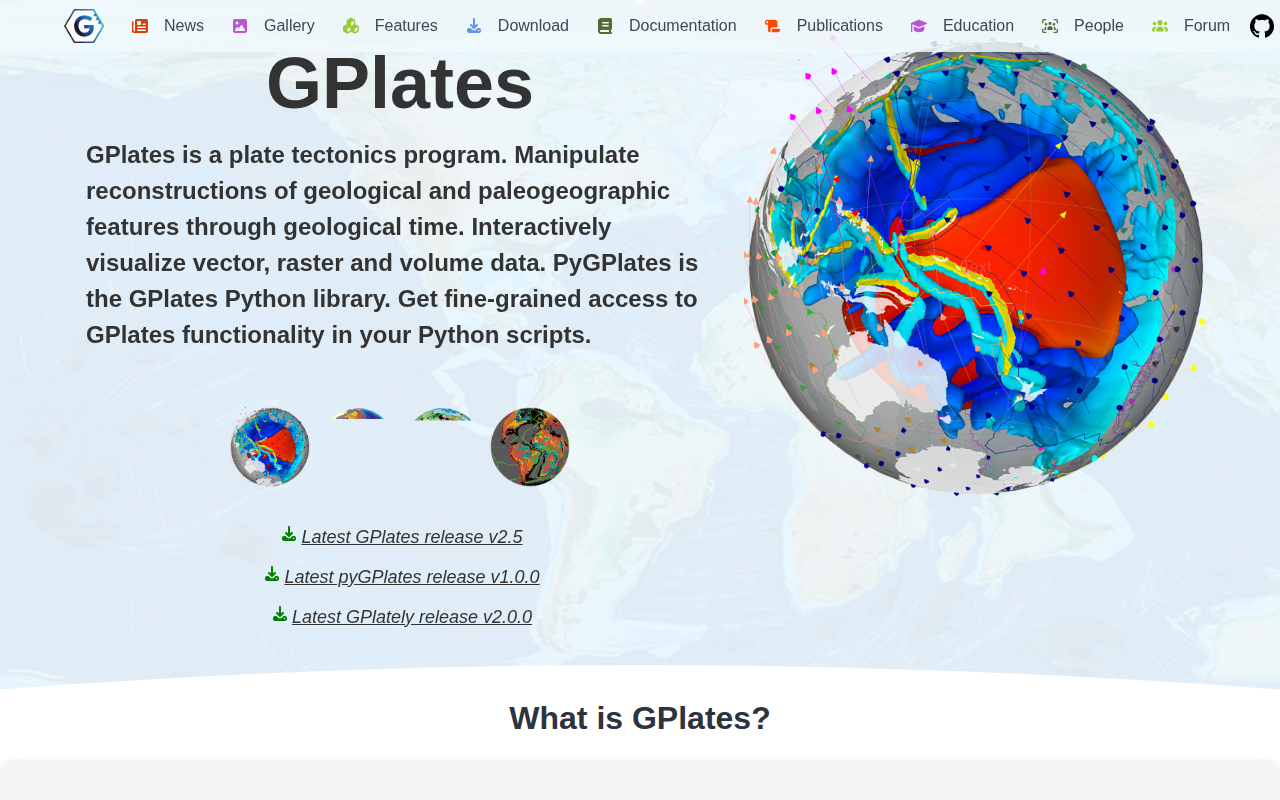
GPlates
Plate tectonics program

Databases & Data Tools
Grid Analysis and Display System
Access, manipulate, and visualise earth science data
Family & Home
Genealogical DNA Analysis Tool
App that utilises autosomal DNA to aid in the research of family trees